The warranty certificate usually comes into play after things have gone wrong. Finding a malfunction early is crucial for diagnosis and repair.
In this article, we will explain how the PlugCo plug warranty works. We will discuss which warranty claims are approved and which are denied. We will also look at mistakes contractors make before filing a claim.
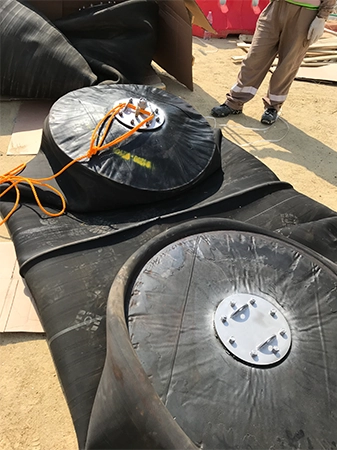
Product condition upon delivery visual inspection recommended
Does the Warranty Apply to My Situation?
The PlugCo warranty covers issues with the product, including manufacturing and material quality. The warranty does not cover damage from installation mistakes or field conditions.
A malfunction caused by a manufacturing defect is covered. However, a plug installed in a pipe without inspection that fails right away is not covered.
What Exactly Does the Warranty Cover?
There are three types of defects covered:
- Structural failure during use within the pressure limit
- Material degradation without chemical exposure or external damage
- Manufacturing defects that prevent the plug from sealing or inflating properly
If an inspection confirms the defect is from the product, PlugCo will evaluate the claim to decide on repair or replacement.
What Are the Most Common Reasons a Warranty Claim Gets Rejected?
Our technical team reviewed warranty claims. Rejected claims have issues:
- Incorrect plug size
- Back pressure exceeded
- Inflation error
- Pipe surface damage
- Chemical incompatibility
- Field modification
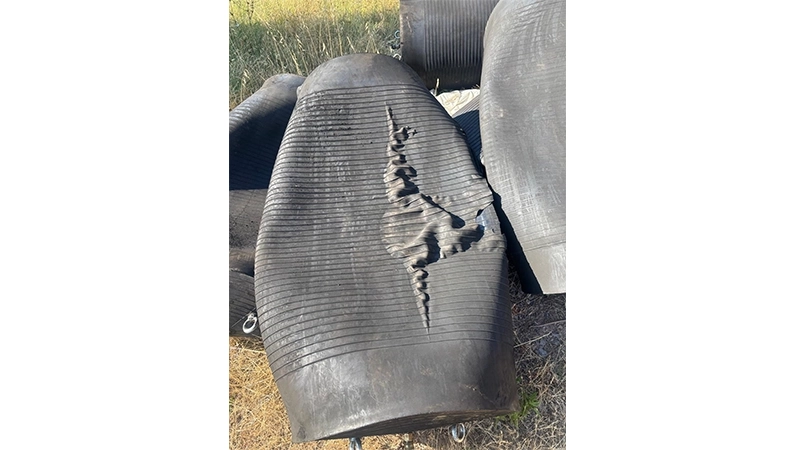
An unforgettable case our technical team encountered: A customer at a UAE site installed a plug into a newly welded steel pipe without grinding the internal weld seam of the steel pipe before inserting the plug. There was a sharp welding edge. The plug swelled, held for a short time, then burst. Upon inspecting the incident, we found a clean hole at the weld edge. The claim was denied. The pipe was unprepared; the plug did exactly what it was supposed to do, it just had no chance.
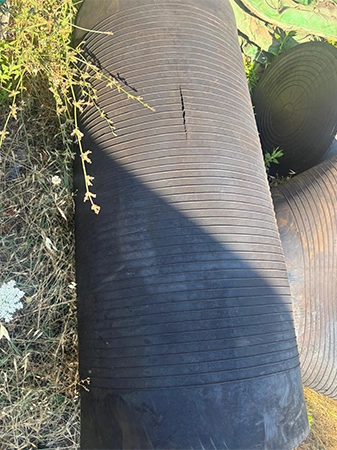
Localized tear caused by a sharp edge or debris inside the pipe
Covered vs. Not Covered Comparison:
| Scenario | Warranty Status | Reason |
| Plug fails under-rated pressure in a clean pipe | Covered | Manufacturing defect |
| Plug punctured by pipe debris | Not Covered | Site condition/operator error |
| The wrong size plug was used | Not Covered | Improper installation |
| Rubber deteriorates from chemical exposure | Not Covered | Incompatible environment |
| Plug body cracks under normal use | Covered | Material/production defect |
| Over-inflated plug damaged | Not Covered | Exceeded pressure limits |
| Inflating a plug without a pressure regulator or using another brand instead of the PlugCo brand | Not Covered | Improper use and use of non-approved accessories |
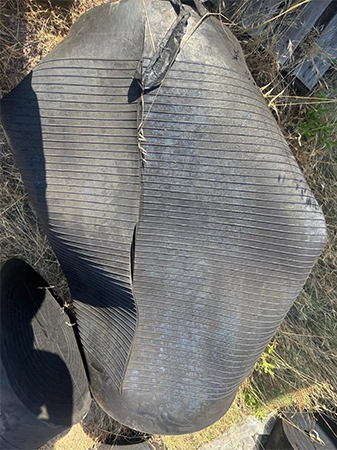
Longitudinal tear caused by excessive back pressure
Why Does the User Manual Matter for Warranty Coverage?
The user manual included with each plug is not just a standard safety document. It serves as the primary reference for every warranty decision.
When a claim is filed, the first thing examined is whether the plug was used as specified in the manual. If the manual requires the pipe to be cleaned before installation and debris is visible around the plug in the photos, it becomes very difficult to defend coverage regardless of the actual cause of the failure.
The most commonly overlooked sections:
- Backpressure calculation method — the formula is in the manual; you can calculate it before use
- Inflation pressure range — both the lower and upper limits are important; both must be followed
- Compatibility charts — show what the rubber can and cannot withstand
Keep a copy of the manual on-site. It only takes two minutes to check 😊
How Can Contractors Protect Their Plug and Their Warranty?
Choose the Right Size: Measure the pipe’s inner diameter. Select a plug rated for that range. A tight fit will strain the rubber as soon as the plug is inflated, and this pressure will eventually become apparent.
Monitor Inflation Pressure: Monitor the inflation pressure using the air control gauge provided by PlugCo. This prevents both over-inflation and under-inflation. Over-inflation or under-inflation is not covered under warranty.
Inspect the Pipe Interior: Be sure to inspect the inside of the pipe before inserting the plug. A single weld seam or sharp edge you might miss is enough to puncture the plug during inflation.
Check Chemical Compatibility: If the line carries any liquid other than water, open the resistance table in the manual and check. It takes thirty seconds. Rubber is resistant only to the substances the manufacturer has tested it against.
Store Properly: UV light, heat sources, and solvents degrade rubber before the plug is inserted into any pipe. A plug that has sat for months in a hot truck bed or next to a solvent drum may look fine on the outside but could already be damaged on the inside.
Frequently Asked Questions
1- If the plug malfunctions within the warranty period is it automatically covered?
No. The warranty period is the timeframe to file a claim. Coverage depends on the cause.
2- What should I do immediately after a failure?
Stop work secure the area and take photos. Contact PlugCo, before doing anything
3- Does using the plug in a chemical pipeline automatically void the warranty?
No, Compatibility is key. If the plug material is rated for that chemical, the warranty remains valid.
4- How long does the evaluation take?
Most claims are resolved within 5 to 10 business days. Clear photos and details help.
5- Can I still file a warranty claim if I repair it myself?
No. Unauthorized repairs void the warranty coverage. Contact PlugCo first.